Reliable data is essential for sustainable aquaculture development. Yet detailed information on farming locations, production systems, and environmental conditions is often limited or fragmented.
To help address this challenge, the BLUE-ZAN Resilience Academy Industrial Placement Programme conducted a large-scale aquaculture data collection exercise across Zanzibar in 2026. The programme was coordinated by the University of Turku (UTU) in collaboration with the State University of Zanzibar (SUZA), ZAFIRI, and other BLUE-ZAN partners, with support from the Finnish Environment Institute (SYKE).
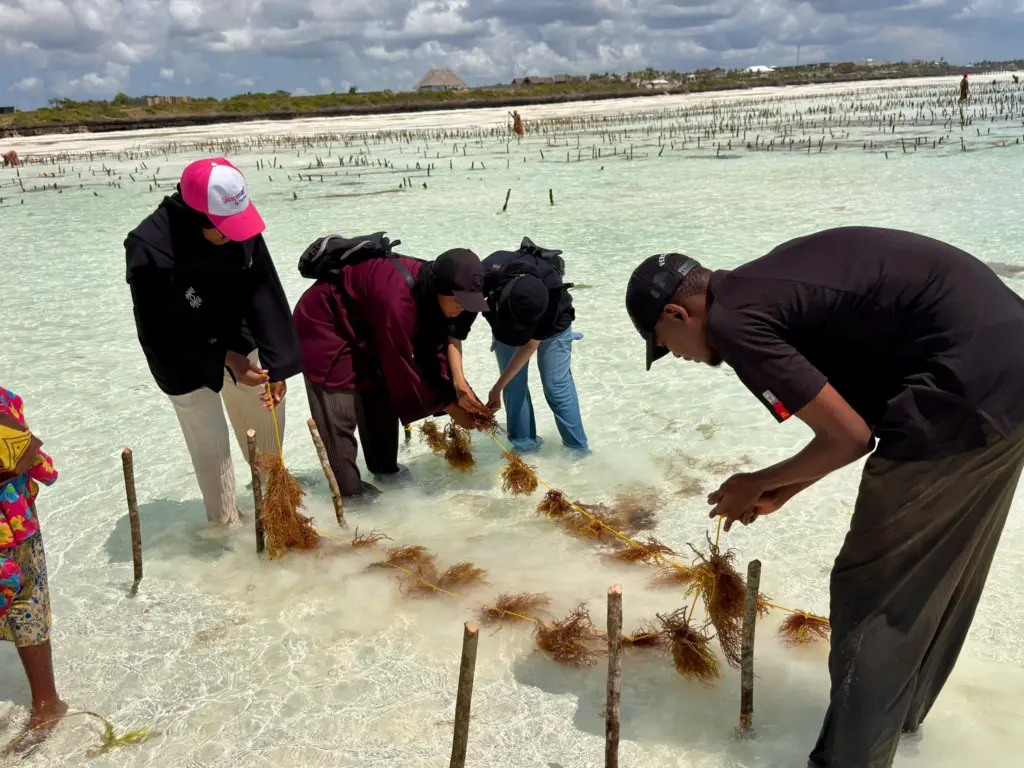
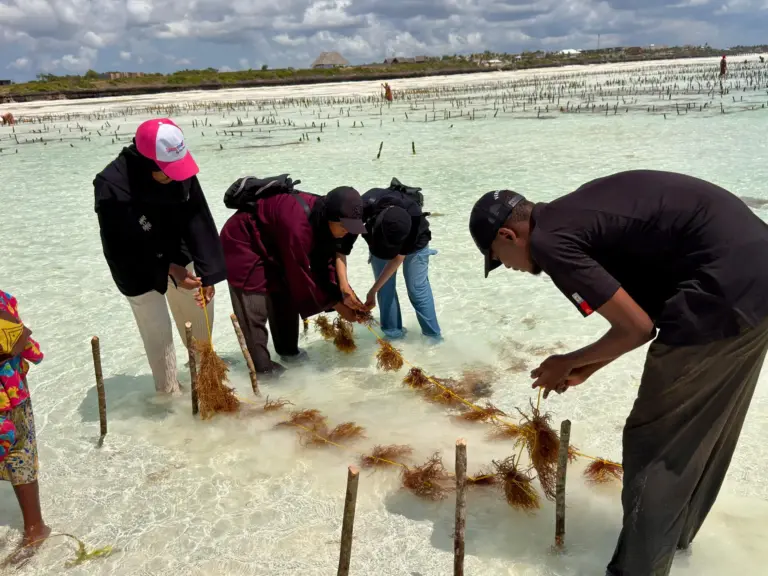
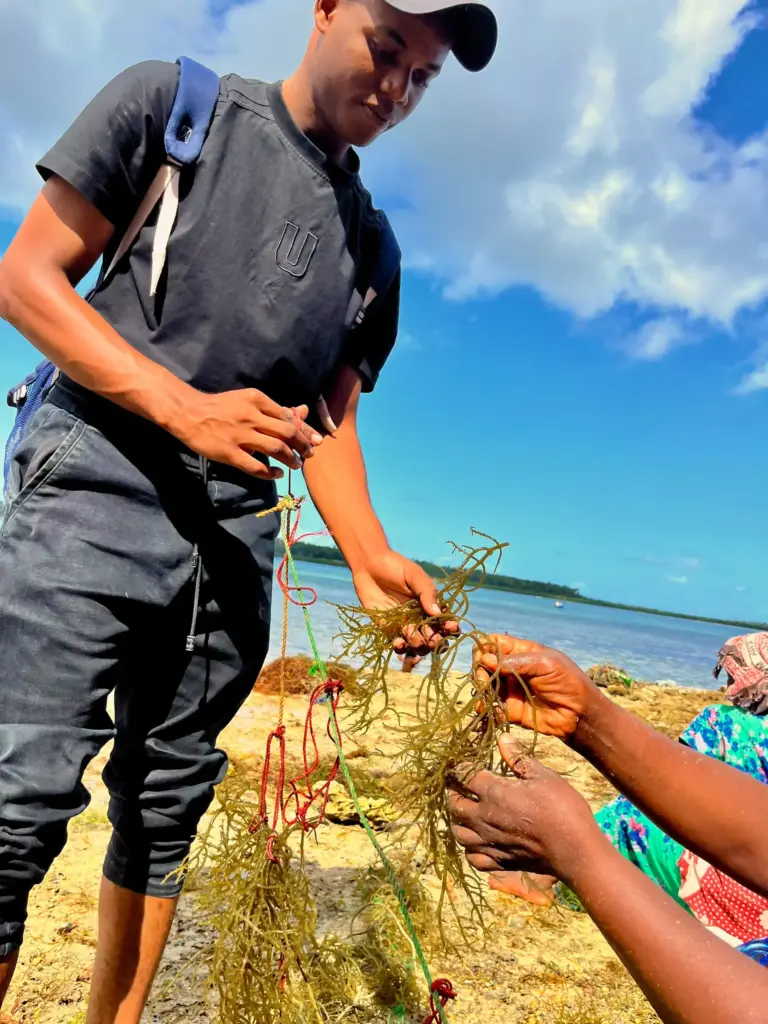
A team of fifteen SUZA students, supported by experts from SUZA and staff from ZAFIRI, a Blue Economy institution, conducted surveys covering approximately 443 aquaculture farming operations across around 24 shehias and villages. The surveys focused on seaweed and sea cucumber farming activities and collected information on farmer demographics, farming practices, environmental conditions, market access, and safety issues.
Where possible, GPS coordinates were recorded for surveyed farms. These spatial data provide an important foundation for mapping aquaculture activities and understanding their distribution across Zanzibar’s coastal areas.
The resulting dataset has been cleaned, documented, and published together with metadata through the Climate Risk Database (CRD). This ensures that the information is accessible for research, planning, and future development initiatives.
The data collected through the placement programme represent one of the most comprehensive recent snapshots of aquaculture activities in the surveyed areas. The dataset can support a variety of applications, including resource planning, climate resilience assessments, investment planning, and monitoring of Blue Economy activities.
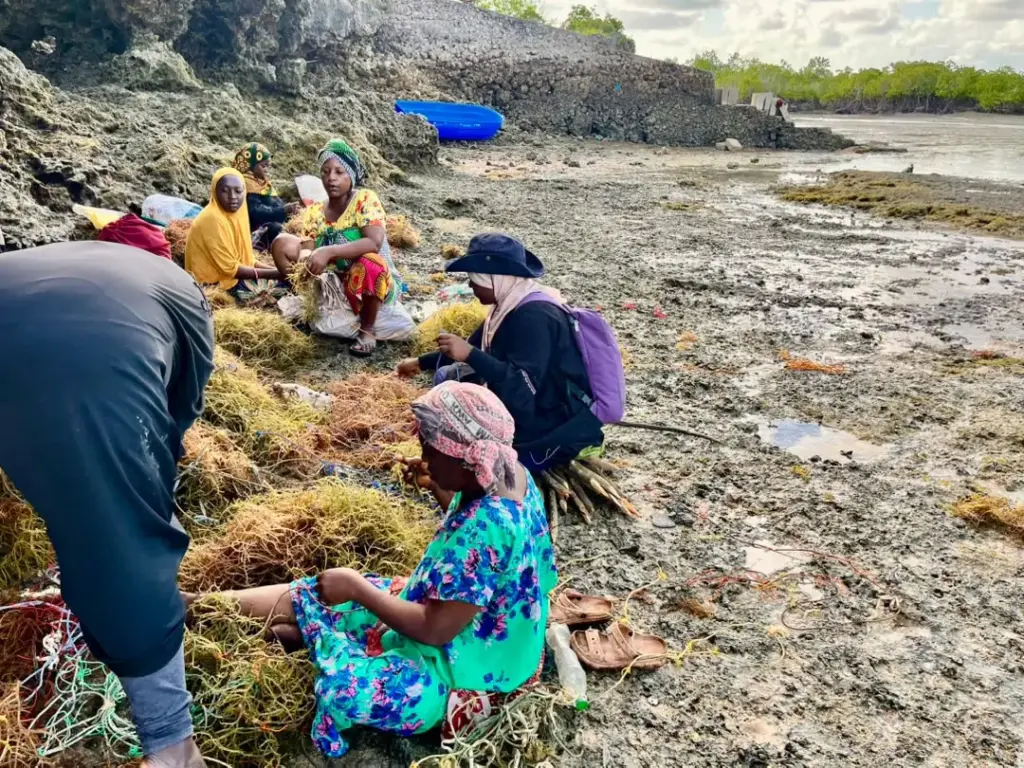
An important next step is the production of Aquaculture Atlas maps that will visualize farming locations and key characteristics of the sector. These maps will help stakeholders better understand spatial patterns and identify opportunities and challenges within the aquaculture value chain.
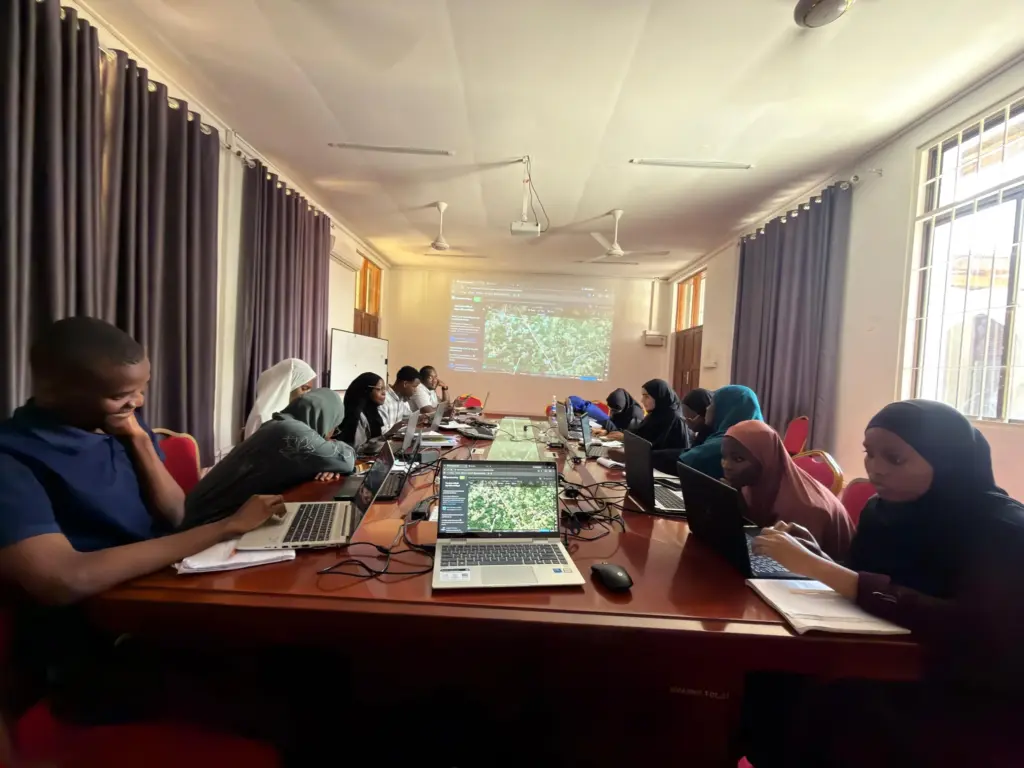
Beyond the data itself, the exercise demonstrated an effective model for combining student learning with practical data needs. By engaging students directly in fieldwork, the programme strengthened local capacity while generating information with long-term value for Zanzibar’s aquaculture sector.
As the Blue Economy continues to grow, sustained data collection and collaboration between universities, research institutions, and government agencies will be essential. The 2026 placement programme provides a strong foundation for future efforts to improve knowledge and support evidence-based decision-making in Zanzibar’s coastal and marine sectors.