
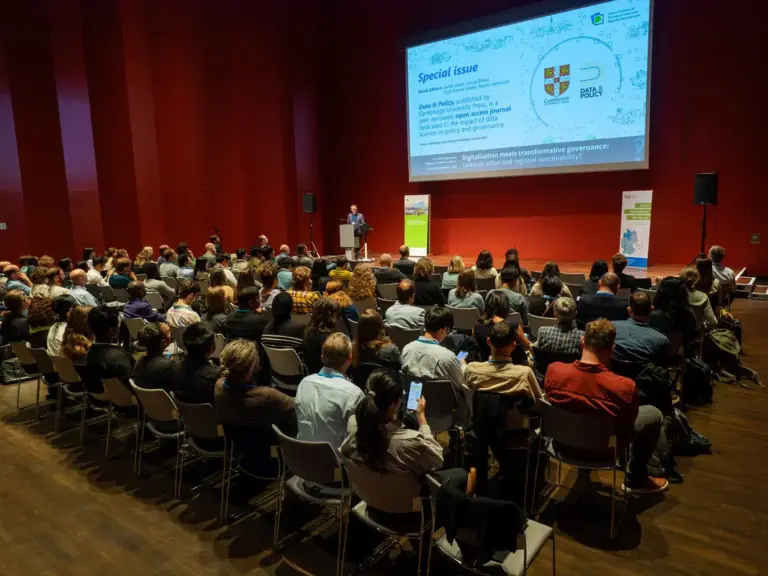
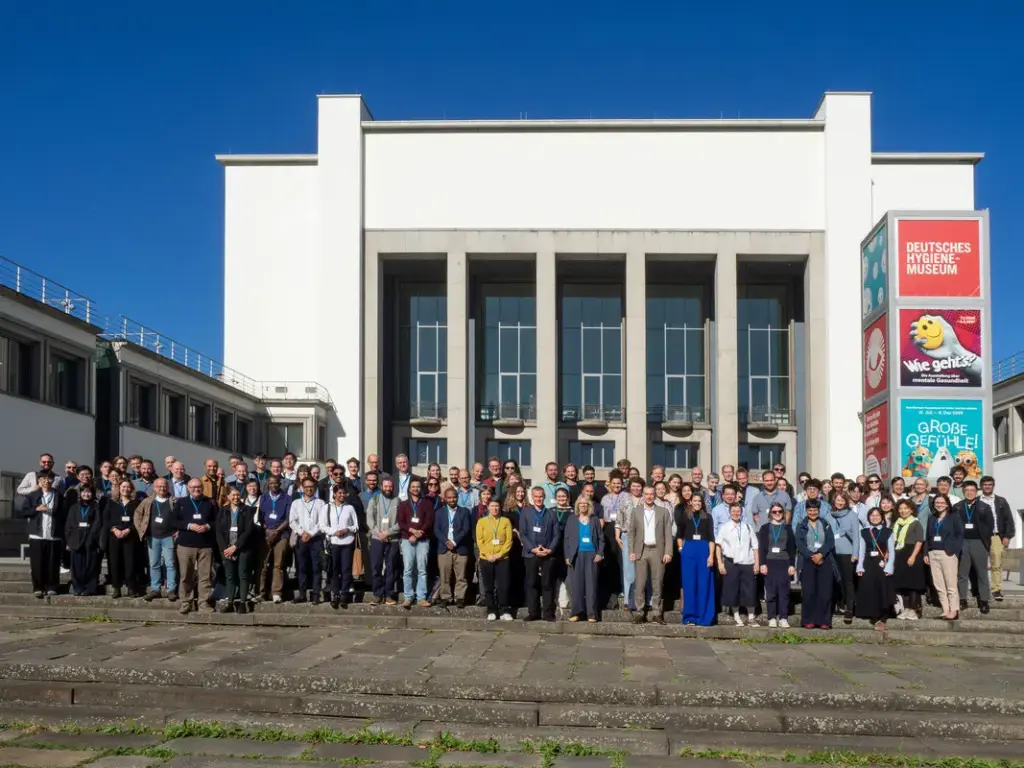
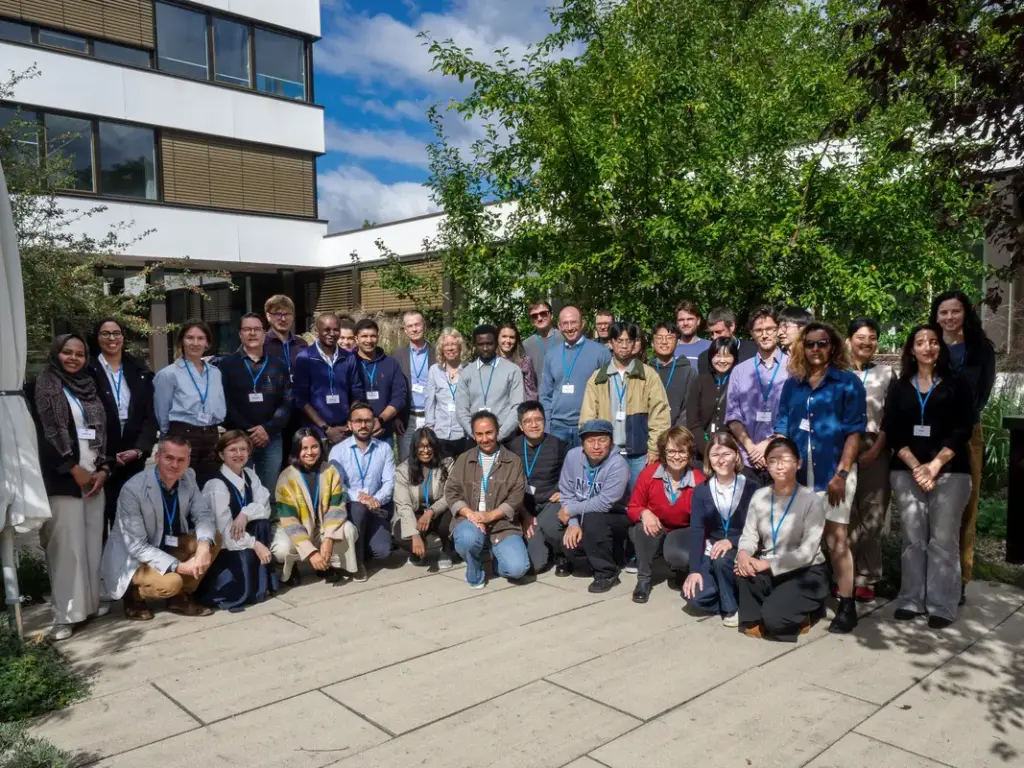
Last week I had an opportunity to attend the DLGS Summer School and the 4th IOER Conference, “Space & Transformation.” I went there to talk about two things I have spent much of my PhD thinking about: how a city like Mwanza can assess flood risk when the data it needs barely exists, and how a small community-run database in Dar es Salaam has managed to keep itself alive for years without the institutional weight that usually keeps such things running.
Most climate risk planning assumes a dataset that, in a lot of fast-growing African cities, simply does not exist: no complete flood maps, no up-to-date land-use records, no long-run archive of who lives where and how exposed they are. Planning models built for well-mapped cities quietly assume all of that is already sitting in a database, when in Mwanza, or in Dar es Salaam, it usually is not. Attending DLGS and IOER gave me the chance to bring these issues together with what I have been working on in my PhD.
I first attended the DLGS Summer School, where I gave the first of my two talks, on assessing flood risk in a data-scarce city, using Mwanza City as my case study. Mwanza is one of the fast-growing secondary cities that climate risk planning tends to skip over. It has real flood exposure, real people living with it, and almost none of the layered datasets that planners in better-resourced cities take for granted. I then attended the IOER Conference itself, where I gave my second talk, under the theme “digitalisation meets transformative governance.” There, I presented the Climate Risk Database, or CRD, a community-driven geospatial data service that has been quietly supporting climate resilience work in Sub-Saharan African cities.
Presenting both papers in the same week forced me to say out loud, to an audience that did not already know the context, why the two pieces of work belong to the same dissertation. The Mwanza framework, my first talk, is about building climate risk knowledge from very little. The CRD, my second talk, is about keeping that kind of knowledge alive once it exists. Data scarcity and data sustainability are two sides of the same problem, and Dresden was the first time I had to explain that connection clearly, in one breath, to people outside my own field.
The trip was made possible by a travel grant from the BGG doctoral programme at the University of Turku, and I am grateful for the Steering Committee’s support in getting me there. It is the kind of funding that does not just cover a flight and a hotel room; it buys the chance to test whether an argument built at a desk in Turku actually holds up in a room full of people who study the same questions from different cities.
Caption…
Caption…